
Cultivating Mental Resilience
Starts With You
Building the Tools for Sustainable Mental Well-Being
Mental well-being isn’t something you either have or don’t have—it’s a skill set you build, refine, and carry with you through changing seasons of life. This space is dedicated to developing practical tools that support emotional balance, resilience, and self-understanding. That means learning how to recognize stress before it overwhelms you, regulate your nervous system, set healthy boundaries, and respond to difficult thoughts with curiosity rather than judgment. The focus isn’t perfection or constant happiness; it’s sustainability. By strengthening habits like self-reflection, grounding, connection, and intentional rest, you create a mental toolkit that helps you navigate challenges, recover from setbacks, and stay rooted in who you are, even when life gets loud.

What can you do?
Maintaining your well-being is less about dramatic changes and more about small, repeatable actions that support your mind and body over time. Simple daily practices—like movement, creative expression, reflection, connection, and intentional rest—help regulate stress, build resilience, and create a sense of balance. Some days that might look like a short walk, journaling for five minutes, grounding exercises, or learning a new coping skill; other days it may mean slowing down and giving yourself permission to recharge. This site is designed to help you put those intentions into action by offering a variety of guided daily activities you can choose from based on your energy, mood, and needs. Rather than guessing what might help, you can explore practical options that make caring for your mental well-being feel accessible, flexible, and sustainable.

Do you have a Relapse Prevention Plan?
A relapse prevention plan is essential because recovery from alcohol and narcotics is an ongoing process that must account for stress, triggers, and altered brain reward pathways that can persist long after substance use stops. By identifying personal warning signs, high-risk situations, and healthier coping strategies in advance, the plan transforms relapse from a sudden failure into a predictable and interruptible process. Following the plan consistently builds automatic, safer responses during moments of emotional overload or impaired judgment, reducing impulsive decisions that can lead to use. Most importantly, a relapse prevention plan balances accountability with self-compassion, helping individuals respond to urges or setbacks with structure and intention rather than shame, and supporting long-term, sustainable recovery.
Healthy Habits & Routine
Maintaining a routine schedule and practicing a balanced set of healthy habits provides structure, stability, and a sense of control in an often chaotic world. A consistent routine helps regulate sleep, energy, and mood by giving the body and mind predictable rhythms to rely on, which reduces stress and decision fatigue. When healthy habits—such as regular meals, physical activity, hydration, mindfulness, social connection, and adequate rest—are practiced together, they support one another rather than working in isolation. This balance strengthens emotional regulation, improves focus, and builds resilience during challenging times. Over time, routine and healthy habits create a dependable foundation that supports long-term wellbeing, making it easier to cope with stress, stay grounded, and show up fully for daily life.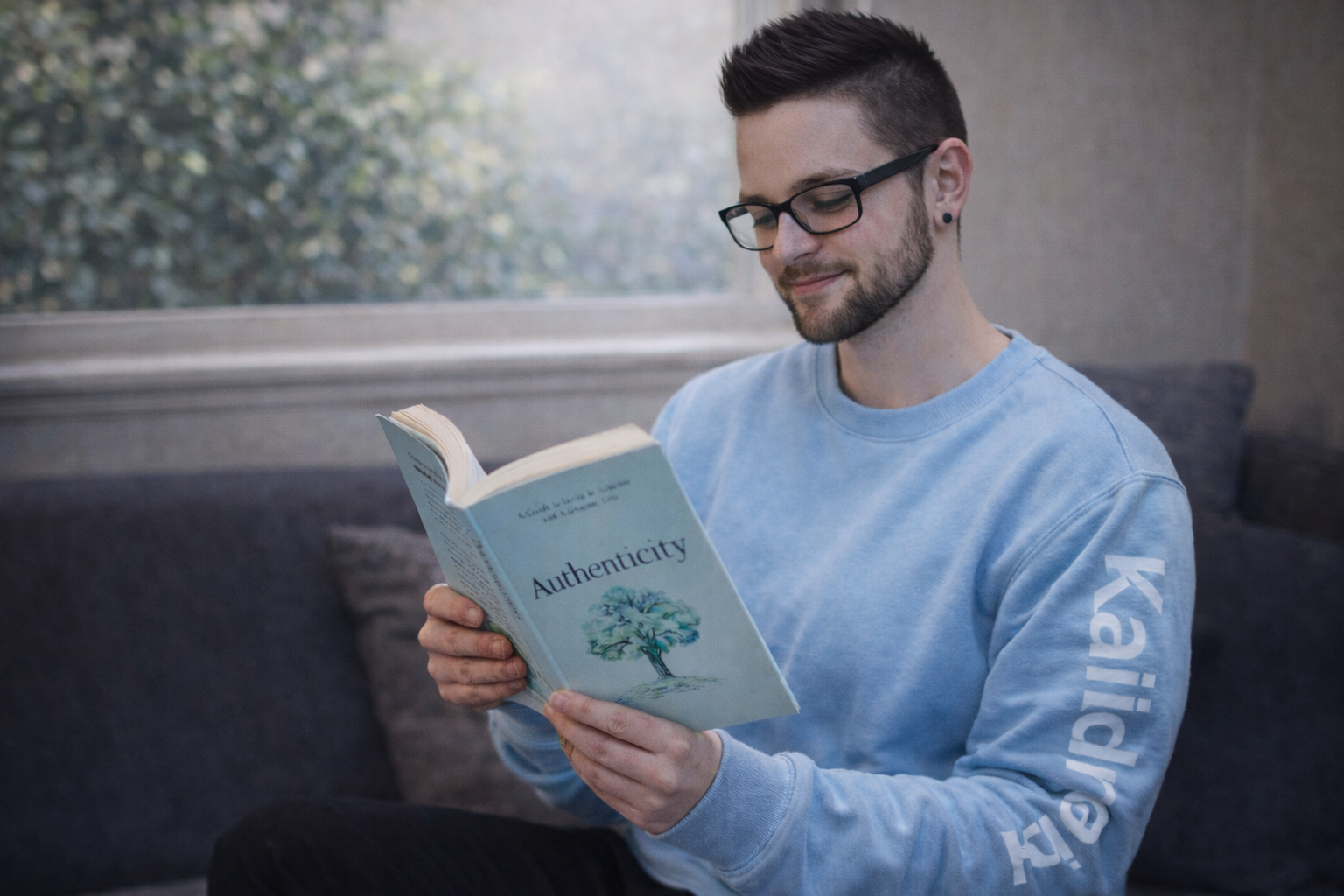
New!
Quick Links
If you or someone you know is experiencing a crisis, please refer to the following page located using the button below for a list of support lines and services.
If you are interested in advertising opportunities, or would like to see site specific content added/modified:
Please contact KaiidrahMHA@gmail.com (Kaiidrah Mental Health & Addictions)
The work presented on this website is not affiliated with, endorsed by, or representative of any professional organization. It is an independent resource project created with the intention of giving back to a community that has supported and helped so many people. The goal of this project is to offer encouragement, guidance, and accessible resources to support individuals through difficult times and to help them develop and strengthen their coping skills as part of their personal growth and healing journey.