

Neuroplasticity
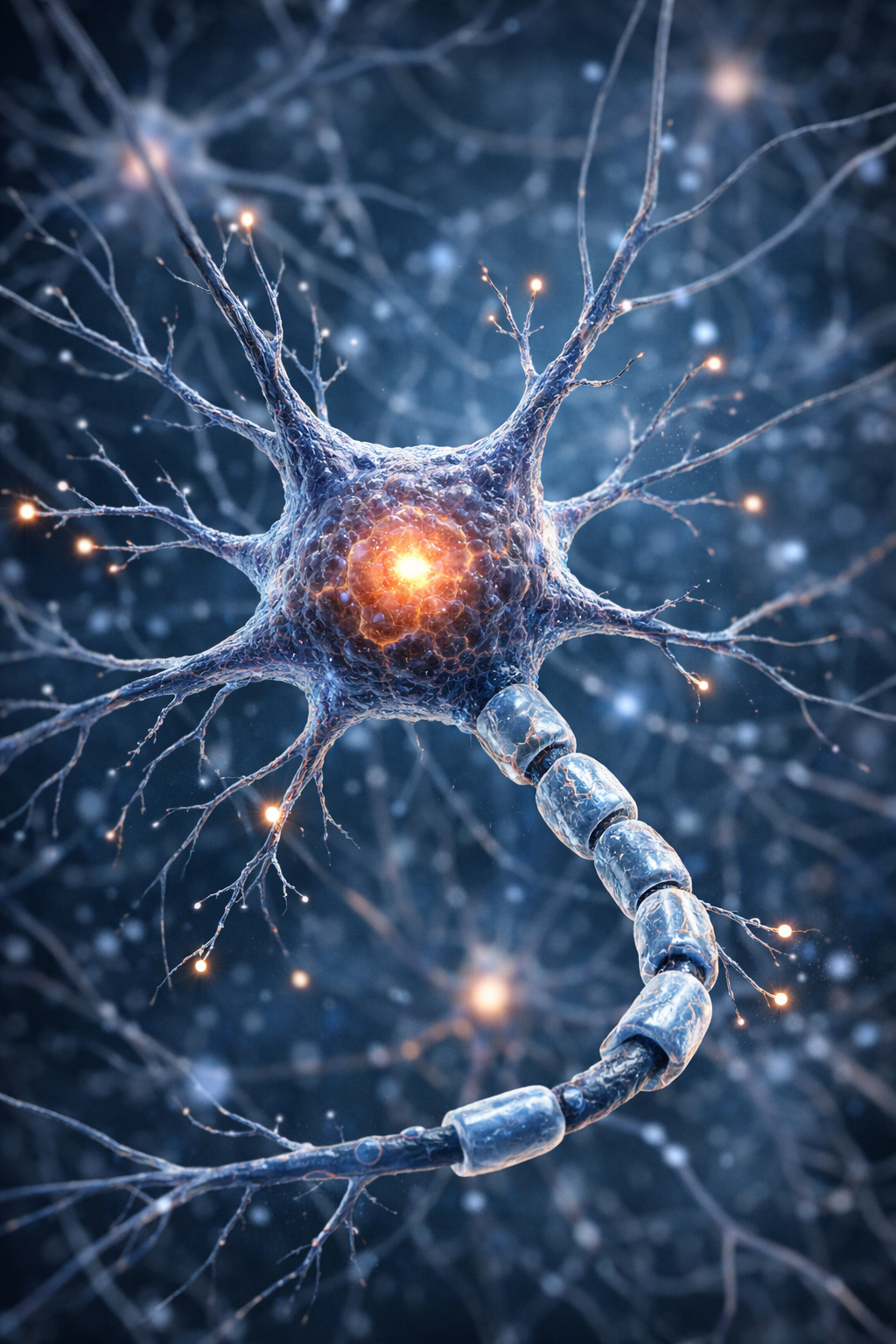
Neuroplasticity is the brain’s remarkable ability to change its structure and function in response to experience, learning, and repetition. Rather than being fixed, the brain is dynamic, constantly forming, strengthening, and pruning connections between neurons. At the heart of this process is dendritic growth—the branching extensions of neurons that receive signals from other cells. When a person repeatedly practices a skill, learns new information, or engages in healthier behaviors, specific neural pathways are activated over and over again. This repeated activation signals the brain that these pathways are important, prompting the growth of new dendrites and synaptic connections, which increases the efficiency and strength of communication between neurons.
Repetition plays a critical role in reinforcing these neural pathways. Each time a behavior or thought pattern is repeated, the corresponding neural circuit becomes more stable and responsive. Over time, frequently used pathways undergo myelination, a process in which a fatty substance called myelin forms a sheath around the axon of a neuron. This myelin sheath acts like insulation on an electrical wire, allowing signals to travel faster, more smoothly, and with less energy loss. As a result, behaviors and skills associated with these pathways become easier, more automatic, and less cognitively demanding. What once required conscious effort gradually becomes habitual due to this increased neural efficiency.
In the context of addiction and substance abuse recovery, neuroplasticity offers both an explanation for how addictive behaviors form and a pathway for healing. Substance use repeatedly activates reward-related neural circuits, reinforcing cravings and compulsive behaviors through strengthened and highly myelinated pathways. However, the same mechanisms that wire the brain toward addiction can be harnessed to support recovery. Through consistent repetition of healthy behaviors—such as attending support groups, practicing coping skills, maintaining routines, engaging in therapy, and building new habits—the brain begins to form alternative neural pathways that compete with and eventually weaken addiction-related circuits.
As these healthier pathways are repeatedly activated, dendritic growth increases and myelination strengthens them, making positive choices more accessible over time. Recovery, therefore, is not simply a matter of willpower, but a biological process of rewiring the brain. While early recovery may feel difficult due to deeply ingrained neural habits, sustained repetition gradually shifts the brain’s wiring, reducing cravings and improving emotional regulation and decision-making. Neuroplasticity demonstrates that change is not only possible but built into the brain’s design, offering hope that with time, consistency, and intentional learning, lasting recovery and healthier patterns of living can be achieved.
Actively rewiring the brain through neuroplasticity involves repeatedly engaging in thoughts, behaviors, and experiences that strengthen healthier neural pathways while allowing less-used ones to weaken over time. Effective ways to do this include practicing new skills consistently, even in small daily increments, since repetition signals the brain to grow and reinforce new connections. Learning new information, hobbies, or languages challenges the brain and promotes dendritic growth. Mindfulness and meditation help retrain attention and emotional regulation by repeatedly redirecting focus to the present moment.
Cognitive practices such as reframing negative thoughts, journaling, and therapy-based exercises (like CBT or DBT skills) help replace automatic patterns with healthier responses. Physical activity supports neuroplasticity by increasing blood flow and growth factors in the brain, while adequate sleep allows the brain to consolidate learning and strengthen myelinated pathways. Engaging in creative activities, social connection, and purposeful routines further reinforces positive circuits. Over time, consistent repetition of these practices makes healthier thoughts and behaviors more automatic, demonstrating that intentional effort can reshape the brain and support long-term healing and growth.